Smart Snacks for Steady Energy
Snacks can help fill nutritional gaps, especially if you eat smaller meals. Here are balanced snack ideas that combine protein, fiber and flavor.
The short version
- Snacks can help you meet nutrition needs if you eat smaller meals.
- Pair fiber-rich foods with protein for more lasting satisfaction.
- Keep ready-to-eat options visible and convenient.
In this guide
Snacking sometimes gets a bad reputation, but well-chosen snacks can be a helpful part of eating well. For older adults who feel full quickly or have a smaller appetite, snacks between meals can provide nutrients and energy that might otherwise be missed.
The key is choosing snacks that bring something useful to the table, like protein, fiber, vitamins and minerals, rather than only sugar or salt.
The pairing approach
A simple formula for a satisfying snack is to pair:
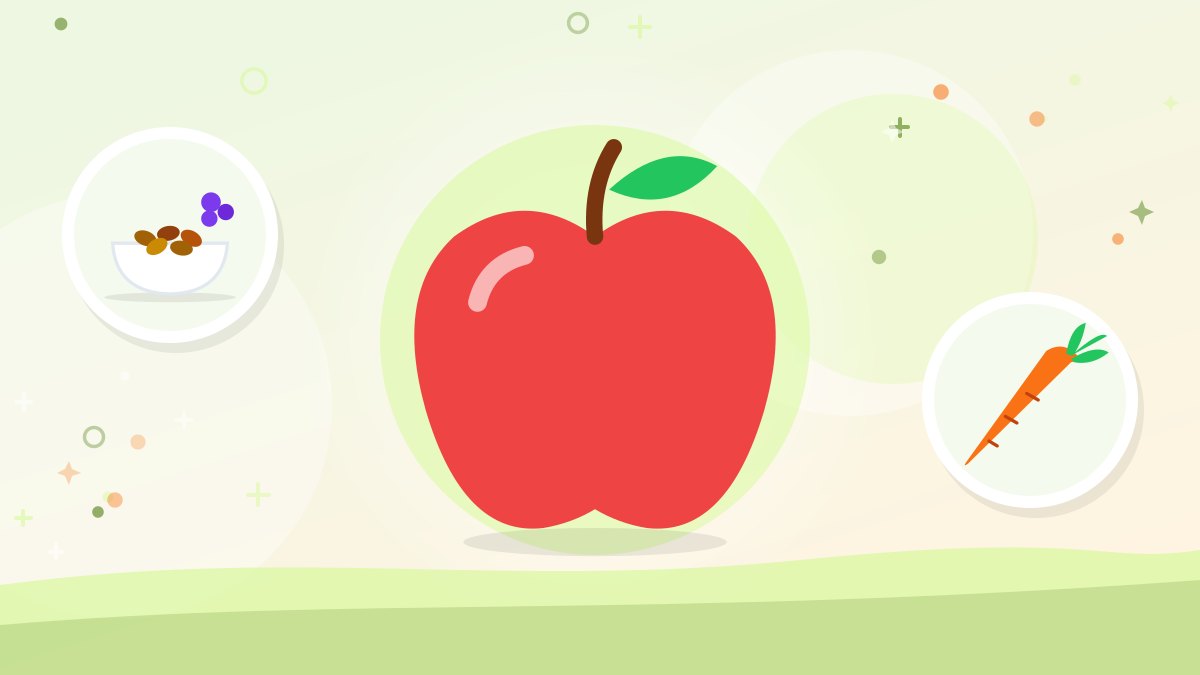
A fruit, vegetable or whole grain (for fiber and vitamins) + a protein or healthy fat (to help you stay satisfied)
Examples:
- Apple slices with peanut butter
- Carrot and celery sticks with hummus
- Whole-grain crackers with cheese
- Berries with plain Greek yogurt
- A pear with a small handful of almonds
- Whole-grain toast with mashed avocado
- Cherry tomatoes with mozzarella
Quick, no-cook snacks
- A hard-boiled egg and a piece of fruit
- Cottage cheese with pineapple or peaches
- String cheese and grapes
- A small handful of unsalted nuts
- Trail mix made with nuts, seeds and a few dried fruits
- Roasted chickpeas
- A glass of milk or fortified soy beverage
Snacks for small appetites
If you struggle to eat enough:
- Choose nutrient-dense options like yogurt, nut butters, eggs, cheese and smoothies.
- Try a smoothie made with milk or yogurt, frozen fruit and a spoonful of nut butter.
- Keep snacks within reach in your favorite chair or by the TV.
- Eat on a schedule, such as mid-morning and mid-afternoon, rather than waiting until you feel hungry.
Snacks for easier chewing
- Applesauce (unsweetened)
- Yogurt or pudding made with milk
- Soft cheeses
- Ripe bananas
- Hummus with soft pita
- Cottage cheese
- Soups
Keep it simple and visible
People tend to eat what is easy to see and grab. A few ideas:
- Keep a bowl of fruit on the counter.
- Pre-cut vegetables and store them in clear containers at eye level in the refrigerator.
- Portion nuts into small containers so a handful is easy to grab.
- Keep less nutritious snacks in harder-to-reach places.
Watch for hidden sugar and salt
Many packaged snacks, including some granola bars, flavored yogurts and crackers, contain more added sugar or sodium than you might expect. Compare labels and look for options with less added sugar and sodium.
Snacks and health conditions
If you have diabetes, kidney disease, swallowing difficulties or food allergies, ask your doctor or a registered dietitian which snacks fit your needs. If you take medications that should be taken with food, a small snack can sometimes help, but ask your pharmacist for guidance.